Schools & Cost
The Advantages of Live-Patient Clinical Training in Dental Assisting
Why training with real patients, in a working dental office or on externship, helps new dental assistants get hired faster, and what to ask programs about it.
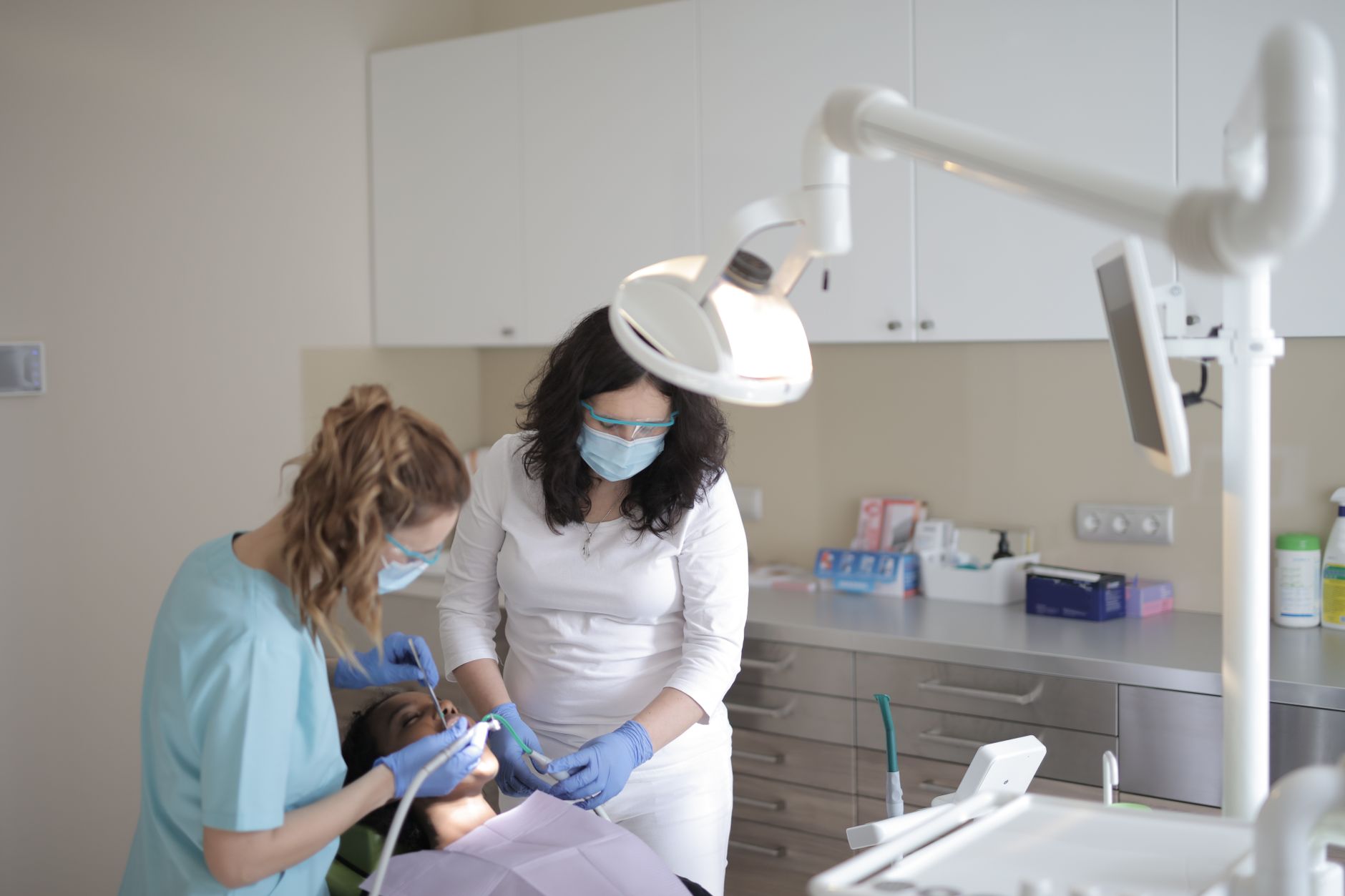
A mannequin head doesn't flinch, gag, talk with a mouth full of cotton rolls or tell you halfway through a procedure that it needs the restroom. Real patients do all of that. Practicing on models teaches you the steps. Practicing on people teaches you the job.
That's the case for choosing a dental assisting program that gets you in front of real patients, under supervision, before you graduate.
Pace
Dental offices run on tight schedules. You have to seat the patient, have the right tray ready, keep up with the dentist, then break down and disinfect the room before the next patient arrives. In a lab you can take all the time you need. In a clinic you can't. Students who've worked through real appointments show up to their first job already used to the pace, and office managers notice.
Talking to people
Much of an assistant's day is spent reassuring people. You explain what's about to happen to someone who's anxious. You go over aftercare with a patient who's still numb and not really listening. You help a kid who doesn't want to be there. You only get good at that by doing it, and getting that practice in school is easier than learning it on your first week at a job. Communication skills for dental assistants.
X-rays
Radiography is where the difference between a model and a patient shows most. Placing a sensor in a training head is easy. Placing it in the mouth of someone with a small jaw, a strong gag reflex and a lot of nerves is a different skill. Colorado requires qualifying radiography training before you take x-rays (the details), and the programs that include real-patient practice tend to produce assistants who are ready to use that qualification right away.
Getting hired
Clinical sessions and externships put you in rooms with dentists and office managers who hire. A lot of first jobs start that way, with an office that has already watched you work. And being able to list real procedures you've assisted on makes your résumé stronger than classroom training alone.
What to ask a program
"Hands-on" can mean very different things, so ask for specifics. How many hours are with real patients, and how many are on models? Is class held in a working dental office or a classroom? Is there an externship, and does the school arrange it? Which procedures will you actually assist with? How many students does each instructor supervise in clinic?
Schools that do this well will give you straight numbers. You can compare Colorado options on our programs page, and the rest of our questions are in how to choose a dental assisting school.
Updated September 17, 2026.
FAQ
What is a live-patient clinic in dental assisting school?
It's training where students practice skills on real patients under the supervision of licensed dental professionals, rather than only on mannequins or typodonts.
Is an externship the same as live-patient training?
They're related. An externship places you in a working dental office, usually near the end of your program. Some programs also include supervised patient care during class time.
Do all Colorado programs include real patients?
No. Ask each program how many hours are spent with real patients and whether an externship is included.