Careers
The Growing Demand for Dental Assistants in Colorado (2026)
BLS projects dental assistant jobs to grow 7% from 2025 to 2035, with about 53,000 openings a year nationally. What that means for Colorado job seekers.
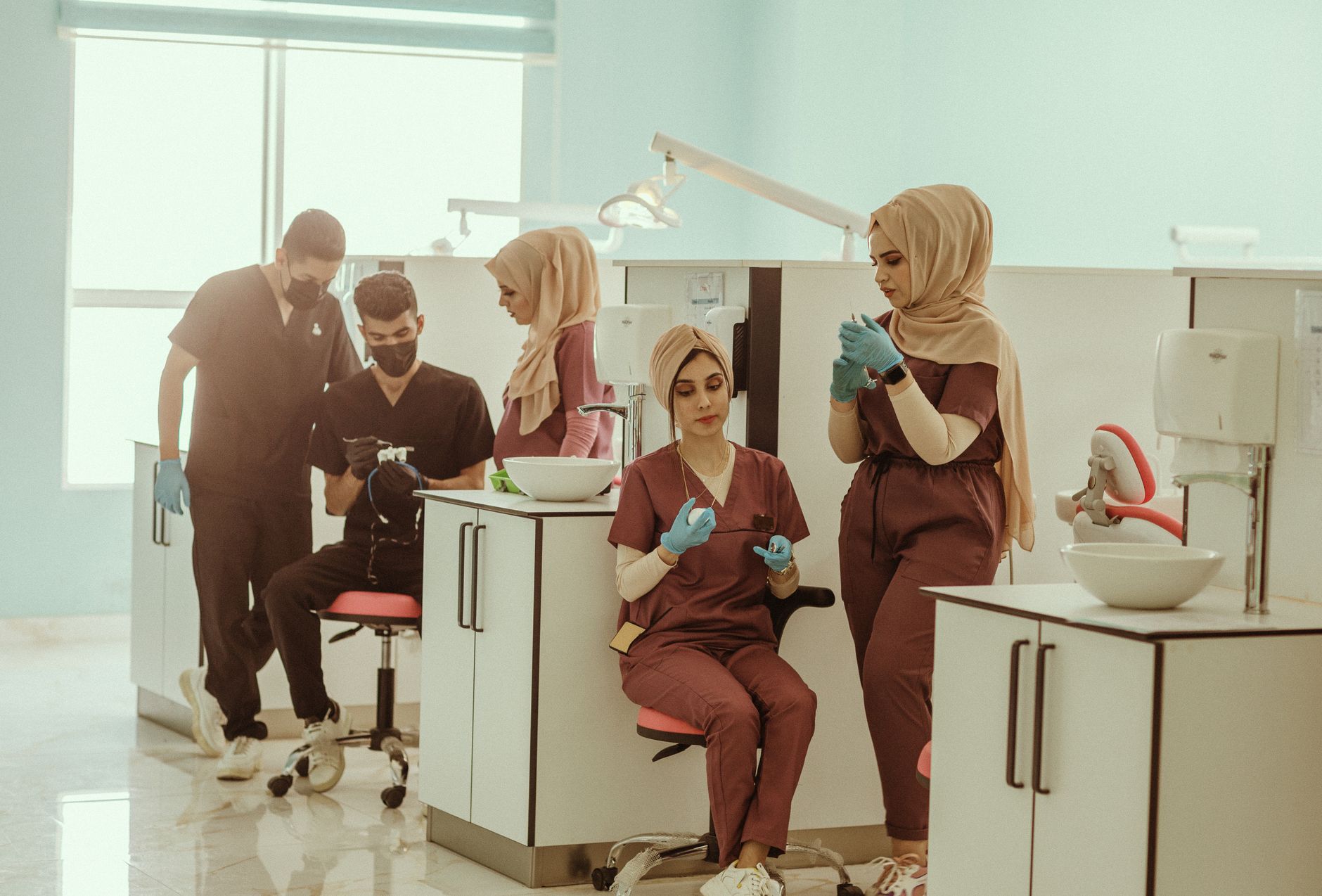
Search "dental assistant" on any job board with your location set to Denver or Colorado Springs, and you'll find a long list of openings. The federal data explains why.
The Bureau of Labor Statistics projects dental assistant employment to grow 7% between 2025 and 2035, which it calls much faster than average. There were about 388,600 dental assistant jobs in the country in 2025, and BLS expects around 53,000 openings every year.
That 53,000 figure is the one that matters. Most of those openings aren't new positions. They're jobs that open up when someone leaves: an assistant goes back to school for hygiene, moves into office management, relocates or retires. Dental assisting has always been a starting point for many people, so offices are almost always replacing someone. For a newcomer, that steady turnover is good news.
Why Colorado keeps hiring
The Front Range keeps adding people, and those people need dentists. New practices open in growing suburbs like Castle Rock, Erie and Johnstown. Group practices and dental service organizations have been opening larger multi-chair offices, and each one needs several assistants to run.
Specialists add to it. Orthodontic, pediatric and oral-surgery practices all want assistants with particular skills, and they tend to pay for them. An aging population also keeps schedules full with implants, crowns and periodontal work.
If you want official Colorado numbers rather than national ones, BLS publishes state and metro wage and employment estimates, and the Colorado Department of Labor and Employment has its own labor-market tools.
Where the openings are
Metro Denver, including Aurora, Lakewood and the northern suburbs, is the biggest market by far and has the widest mix of employers. Our Denver guide covers the schools there. Colorado Springs is the second big hub, with a lot of military families moving in and out, which keeps turnover high (Springs guide). Fort Collins, Loveland, Greeley, Boulder and Longmont add up to a solid third market.
Mountain towns and rural areas post fewer jobs, but they also get fewer applicants. An office in a small town is often more willing to train someone local than to wait for an experienced assistant to move there.
Demand doesn't mean anyone gets hired
Offices are hiring, but they're still choosy. The applicants who get offers fastest can usually take x-rays from the first day (Colorado's rule is here), understand sterilization well enough not to need supervision, and hold a current BLS card. Beyond that, being reliable and calm with nervous patients goes a long way. How to get hired.
Put those together and the outlook for a trained assistant in Colorado is very good. If you want to see what that turns into financially, read our Colorado salary guide. There's more background on the shortage on our page about why Colorado needs dental assistants.
Data from the BLS Occupational Outlook Handbook, checked September 17, 2026.
FAQ
Are dental assistants in demand in Colorado?
Yes. Nationally, BLS projects 7% job growth from 2025 to 2035, much faster than average, with about 53,000 openings a year. Colorado's growing population and many dental offices add to local demand.
Why is there a shortage of dental assistants?
Openings come from growth plus turnover: assistants who move into hygiene, office management or other careers, or leave the workforce, all need to be replaced.
Where are the most dental assistant jobs in Colorado?
The Denver–Aurora metro has the most openings, followed by Colorado Springs and the northern Front Range (Fort Collins, Loveland, Greeley, Boulder and Longmont).