Requirements
Understanding the Role of Expanded Duties Dental Assistants (EDDA)
What expanded-duties dental assistants do, how EDDA differs from a regular dental assistant, and how Colorado's task-based rules affect expanded functions.
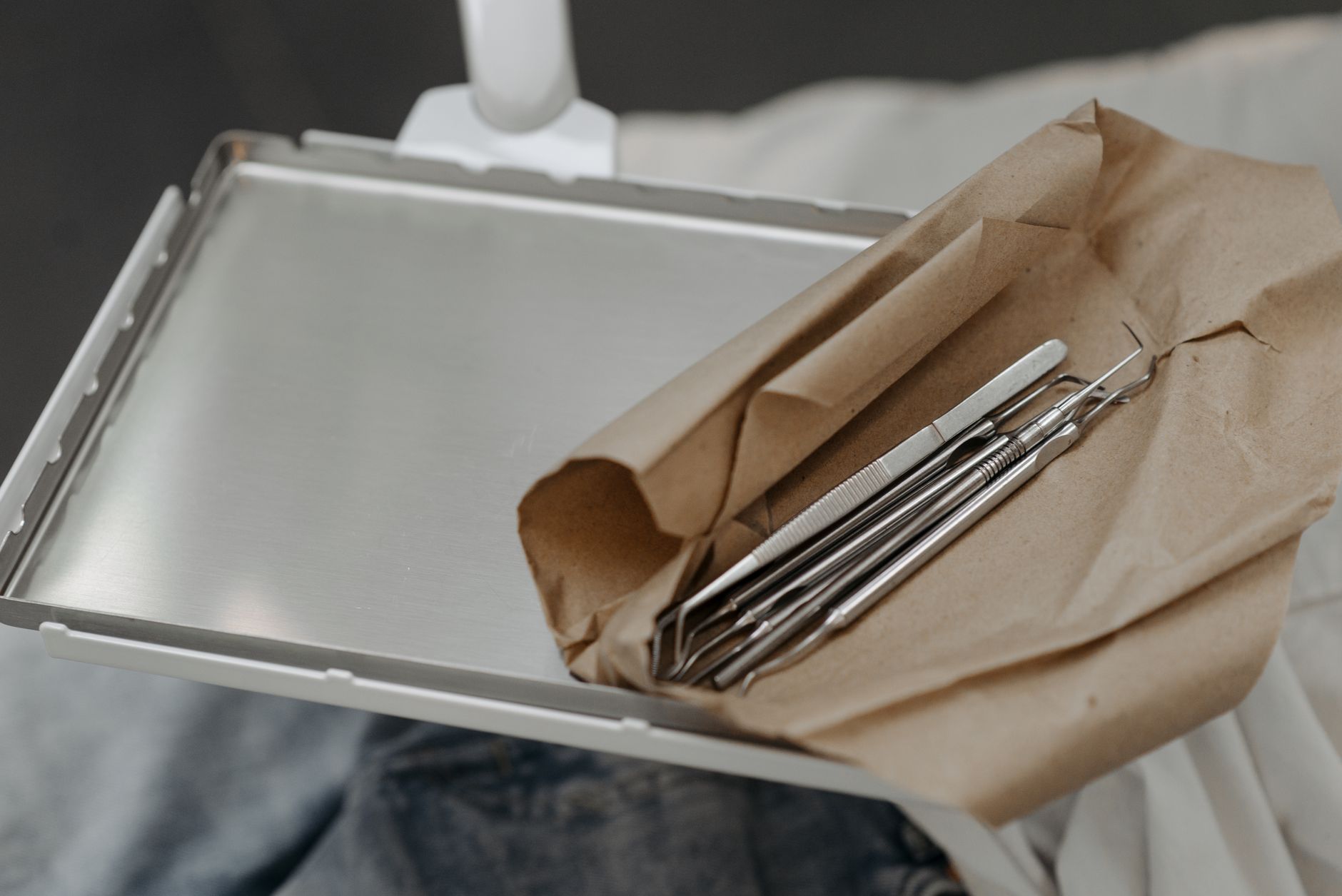
"Expanded duties" is one of those terms that means something slightly different depending on which state you're in. EDDA, EFDA and RDAEF all describe the same basic idea: an assistant allowed to do more than chairside support, usually hands-on procedures that can be reversed, such as placing and finishing certain fillings, applying sealants, or taking final impressions.
What changes day to day
A regular assistant sets up the room, handles sterilization, passes instruments, runs suction, takes x-rays once qualified and walks patients through their aftercare. An expanded-duties assistant does all of that, plus some of the work the dentist would otherwise do.
In a practice built around expanded duties, it often goes like this. The dentist numbs a patient and prepares the tooth, then moves to the next room while the assistant places and shapes the restoration. The dentist comes back to check the work before the patient leaves. Two or three rooms can run at once. That's more patients seen per day, which is why a good expanded-duty assistant is so valuable to a practice and usually paid better.
Exactly which procedures are allowed is up to each state. Some limit coronal polishing and sealants to assistants with a specific permit, and others don't allow certain tasks at all.
Colorado does it differently
Colorado doesn't issue permits or licenses to dental assistants of any kind, expanded or otherwise. Instead, the Dental Practice Act and the Colorado Dental Board's rules spell out which tasks a dentist may delegate, how much supervision is required and, for some tasks, what training has to come first. Radiography is the best-known example.
In practice, a Colorado assistant's "expanded" role depends on two things: what the rules allow, and what your dentist is willing to delegate after watching your work. That has an upside and a downside. You don't need to chase a state credential. But if a course advertises a "Colorado EDDA certification," be careful. Before paying for it, read the current rules on the Dental Board's site and ask the course provider exactly which rule its training satisfies.
Getting there
Nobody starts in expanded duties. Most assistants who end up there spent a year or two getting fast and dependable at the basics first. Along the way they qualified for x-rays (Colorado's routes), and many earned a DANB credential such as the CDA (how DANB works here).
After that, it's mostly continuing education in the specific skills your dentist wants to hand off, plus a paper trail. Keep certificates for every course and ask the dentist to sign off on your competency for each task. If you ever change offices, that folder does a lot of your talking for you.
Once you're taking on more of the work, it's reasonable to ask to be paid for it. The highest-paying dental assistant jobs has a sense of the range.
If you leave Colorado
Pennsylvania and Ohio have formal EFDA credentials, and California has the RDAEF. Each requires specific education and exams. Your Colorado experience will help, but it won't transfer automatically, so check the new state's dental board and DANB's state pages before you move.
For an overview of the career path, see our EDDA page.
Checked September 17, 2026. General information, not legal advice.
FAQ
What is the difference between a dental assistant and an EDDA?
A dental assistant supports the dentist chairside and handles tasks like sterilization, room setup and x-rays. An expanded-duties assistant may also perform certain reversible procedures, such as placing some restorations or sealants, where state rules allow it and with the required training.
Does Colorado have an EDDA license?
Colorado doesn't license dental assistants at all, including expanded-duties assistants. The Colorado Dental Board's rules define which tasks may be delegated and what training some tasks need.
Do EDDAs earn more?
Generally, yes. Assistants who can safely take on more procedures make an office more productive, and that often shows up in pay. It depends on the office and your experience.