Careers
How to Become a Dental Assistant in Colorado Without Going to School
Colorado doesn't require a diploma to work as a dental assistant, so on-the-job training is possible. How it works, the x-ray catch, and when school is still the better bet.
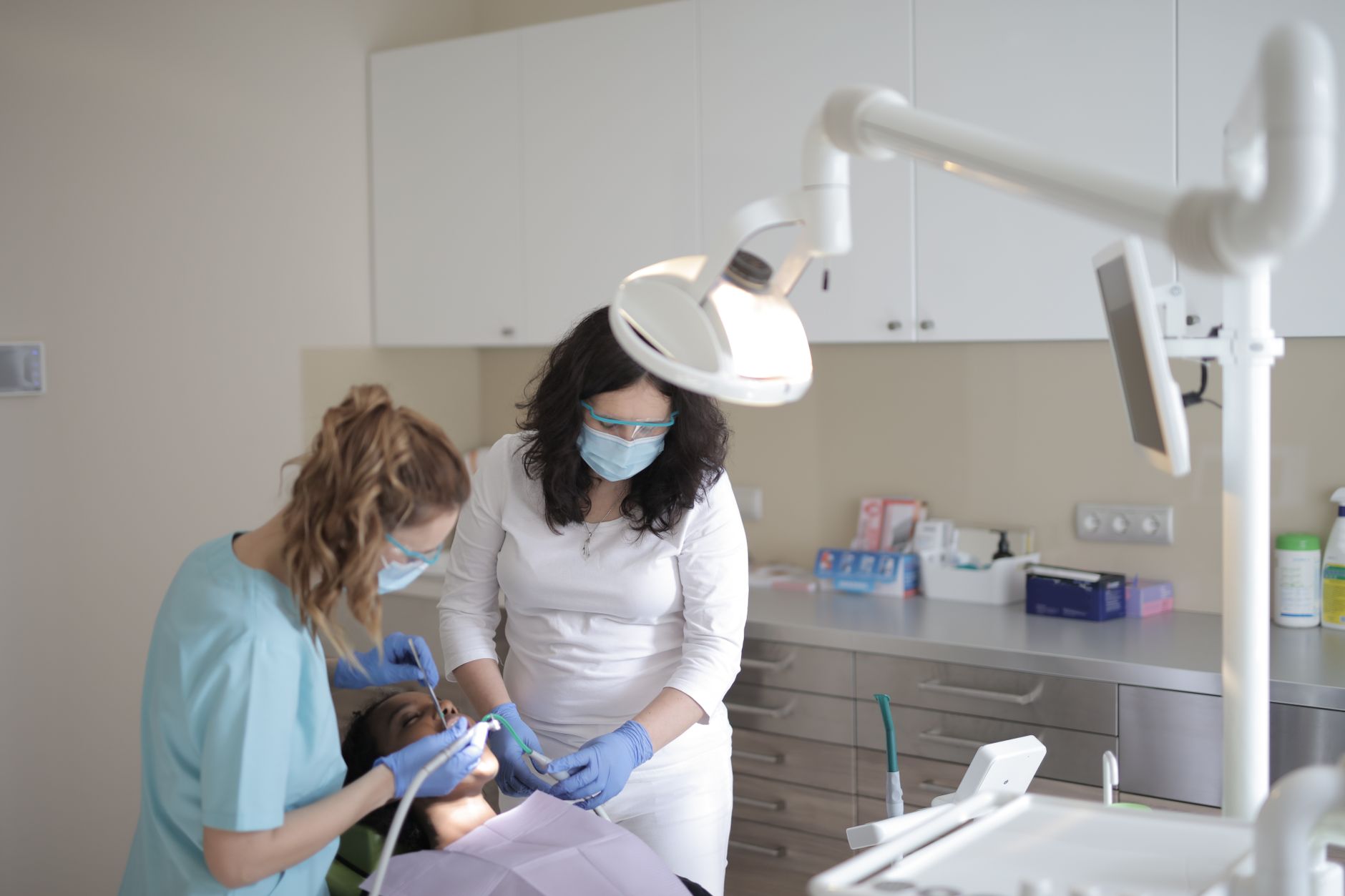
Yes, you can. Colorado has no dental assistant license and no required diploma, so a dentist is free to hire someone with zero experience and teach them. Plenty of working assistants got started that way.
Whether it's the right move for you comes down to one thing: can you find an office willing to train you? That's harder than it sounds.
Why Colorado allows it
Colorado regulates the tasks a dentist delegates, not the person doing them. The dentist decides whether you're competent and is responsible if you aren't. There's no state paperwork standing between you and a job. (The longer explanation is in Do dental assistants need a license in Colorado?)
How people actually pull it off
Start with CPR/BLS. It's a few hours and not much money, and nearly every office requires it. Having the card before you apply shows you've done some homework.
Learn the language before the interview. Tooth numbering, basic procedures, the names of common instruments: all of it is available free online. You won't be an expert, but you'll be able to follow a conversation with the office manager.
Look for postings that say "will train," "entry level" or "sterilization tech." Bigger group practices and DSOs are more likely to have a training setup than a two-chair office where the dentist has no spare time.
Don't turn down the side door (more on landing a first job with no experience). Front desk, sterilization and patient coordinator jobs put you in the building. Once the team knows you show up and pay attention, moving to chairside is a much shorter conversation. If you already work in a dental office in another role, you're in the best position of anyone.
The x-ray problem
This is where on-the-job training gets tricky. You can't take x-rays in Colorado until you've qualified through a Board-approved radiography module or passed DANB's RHS exam (there are a couple of other routes, covered on our requirements page). An office that hires you untrained will either pay for that course or keep you away from x-rays until you sort it out yourself. Ask about it at the interview.
Once you're working, DANB credentials are a good way to show what you've learned. We explain them in Is DANB certification required in Colorado?
Honestly, when school makes more sense
If you've applied to a dozen offices and keep hearing "we need someone with experience," that's your answer. A short program fixes it quickly. The private schools we've looked at run 8 to 12 weeks, often on Saturdays, and list tuition of around $3,250 to $4,000 (current prices). Most include radiography, so you finish ready to take x-rays, which by itself makes you easier to hire.
School also makes sense if you're leaving another career and can't afford months of uncertainty, or if you might move to a state that requires formal training.
On-the-job training is a good route if you already know someone in dentistry. If you're starting cold, a short program is usually faster, even though it costs money up front. You can compare options on our Colorado programs page or browse entry-level openings to see what offices are asking for.
Checked September 17, 2026. Confirm current rules with the Colorado Dental Board.
FAQ
Can you be a dental assistant in Colorado without a certificate?
Yes. Colorado doesn't license dental assistants or require a diploma, so dentists can hire and train assistants on the job. You still need a qualifying radiography route before taking x-rays.
How do I get hired with no experience?
Apply to offices that advertise training, start in sterilization or front-desk roles, get CPR/BLS certified, and show that you're reliable and good with people.
Will I earn less without formal training?
Often at first. Assistants who can take x-rays on day one usually get hired faster and may start at higher pay. The gap tends to narrow with experience.